Mar 31, 2026
Beyond the deal: Human capital lessons from the Operating Partners Human Capital Forum
Over the past few years, the conversation around AI in HR has shifted dramatically, from cautious experimentation at the edges to a fundamental rethinking of how work, talent, and technology fit together across the enterprise. Today’s CHRO isn’t just managing that change. They’re being asked to lead it.
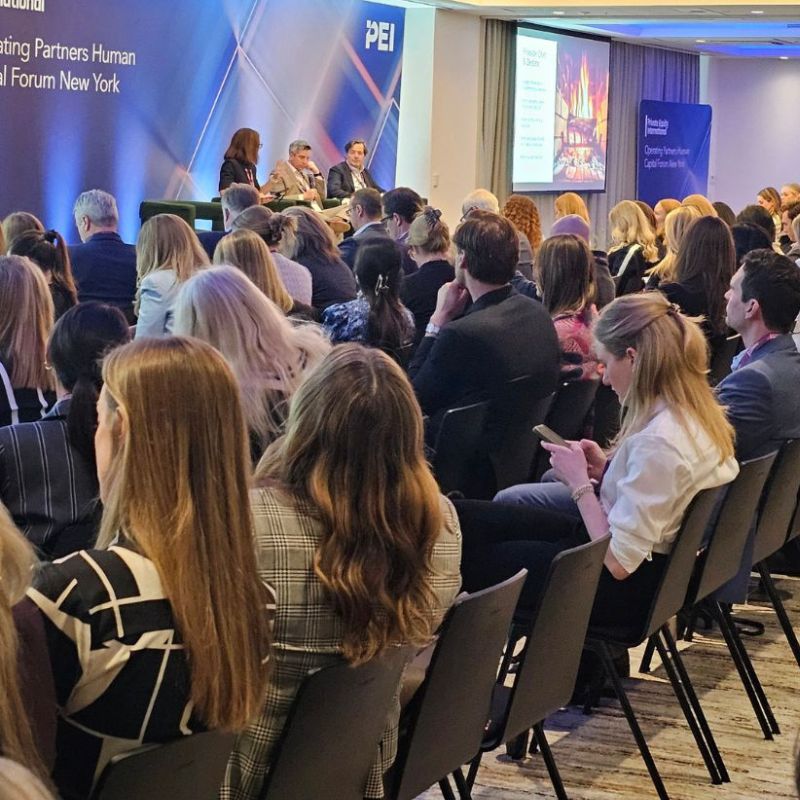
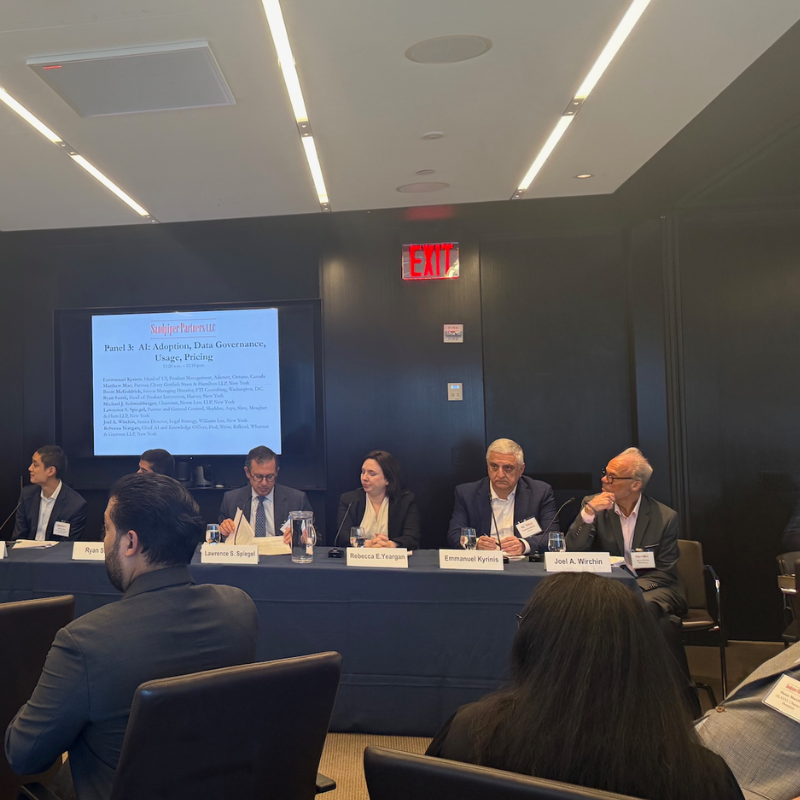
Last week at the Operating Partners Human Capital Forum, Williams Lea was proud to sponsor and participate in two days of candid, high-impact dialogue with operating partners and HR leaders navigating this in real time. Here’s what defined the conversation.
Human capital is now a deal variable, not an afterthought
One of the clearest signals from the forum was how deeply human capital has been embedded into every stage of the private equity deal lifecycle. Pre-close, HC teams are mapping existing talent, identifying capability gaps, and building succession plans, particularly for C-suite leaders who may not scale with the future state of the company. Leadership and psychometric assessments, including tools like Hogan, are now a standard part of candidate evaluation.
Post-close, the 100-day plan becomes the critical bridge between diligence and value creation. Governance setup, financial controls, operational stabilization, and organizational redesign all require immediate attention — and human capital leaders need to be at the table from day one, not brought in after the fact.
The rise of the operating partner
Arguably one of the most significant structural shifts in private equity over the last 15 years has been the emergence of the Operating Partner as a central force in value creation. Where the traditional CHRO role has existed for nearly a century, the Operating Partner brings a newer, more dynamic lens to talent strategy, recruitment, and operational execution, one that is increasingly seen as more directly tied to enterprise value creation. Funds are now building entire teams of functional subject-matter experts to support both diligence and transformation, reflecting a growing emphasis on specialization.
The PE-backed CEO: Soft skills are the new hard requirements
The CEO discussion at the forum surfaced a profile that is both demanding and nuanced. Today’s PE-backed CEO must balance emotional intelligence, communication, and resilience with the ability to make decisive calls under pressure.
One important reality check from the room: as valuations continue to rise, profitability is harder to achieve. CEOs must resist the temptation to over-rotate on automation and AI at the expense of their company’s core differentiation. And when disagreements arise between CEO, Chairman, and Deal Partner. The Deal Partner has the final say, reinforcing why early alignment is everything.
The CHRO Is the AI transformation’s most important leader
This was the focus of Williams Lea’s interactive working group, and it generated some of the most energizing dialogue of the forum. A few key takeaways from that session:
- AI fluency is the floor, not the ceiling. Using tools like Claude or ChatGPT to work faster is expected now, not exceptional. The CHROs leading the way aren’t asking whether to adopt AI. They’re asking where next, moving from individual productivity hacks to transforming entire workflows.
- Talent acquisition is where the ROI is most immediate. One portfolio company automated résumé screening, redirecting $200K in savings, and dramatically improved candidate quality, all by introducing a single AI screening tool. The consensus: High-volume hiring is where AI ROI is fastest and most measurable.
But the opportunity goes much further: Compensation benchmarking. Job architecture. Policy management. Performance analytics. Management coaching. Every corner of the HR function is being reimagined. One participant described building an entire job leveling framework using AI.
- At the fund level, AI is becoming a shared capability. Some funds have established centralized AI teams to accelerate enterprise value creation across the portfolio: Identifying automation opportunities, outsourcing functions more strategically, and building custom AI tools that individual portfolio companies may lack the expertise to develop on their own.
- Governance is the hardest and most urgent question. Who owns the ethics of AI in HR? The most thoughtful approach shared in the room: frame AI policy as an active encouragement to explore, paired with clear data privacy guardrails, a structured tool approval process, and regular adoption monitoring. The firms treating AI progress as a board-level metric are the ones pulling ahead.
The CHRO of today is no longer just a steward of programs and policies. They are the strategic architect of an AI-enabled workforce, responsible for embedding human capital thinking into every stage of the deal process, navigating the governance questions that AI demands, and developing the leaders who will drive value creation in the years ahead.
That shift isn’t coming. It’s already here.
At Williams Lea, we provide the dedicated support you need, so you can stay focused on what truly matters: Your investments. Learn more about our tech-enabled solutions for private equity.